There are already thousands of books about tarot. Probably millions by now. You can find traditional meanings, reversed meanings, love spreads, spiritual systems, symbolic interpretations, and I’m pretty sure somewhere there is a book explaining what it means if you pull a card at three o’clock on a Tuesday afternoon.
That is exactly why I never wanted to write another book that simply tells you, “This card means this.”
Years ago, when I first wrote about tarot, I was really writing about the deck I had in front of me. Because for me, every tarot speaks differently. The system can be the same, the symbols can be familiar, the structure can be traditional, but the feeling changes. Some decks are gentle. Some are almost rude. Some tell you exactly what you do not want to hear. And some seem completely quiet until months later, when suddenly you realise what they were trying to show you.
When I came back to my own cards and started rewriting them, I noticed that immediately. They had changed because I had changed. I was asking different questions. I was seeing different things. I had sixteen more years of life behind me, and that changes how you read almost anything, especially something as personal as tarot.
This deck first began taking shape around the time my son was born. Back then, my teacher, Mr Kazanlár, told me that when a child is young, a wise parent should be careful with certain esoteric and spiritual practices. That stayed with me.
I did not stop being spiritual. I meditated, practised yoga, taught yoga, worked with breathing techniques. All of that stayed in my life. But I became much more careful with tarot and certain other practices. I simply did not want to bring anything into our home that I was not completely comfortable with. That was my choice, and for me, at that time, it made sense.
Then sixteen years passed.
My son grew up. I changed. And when I came back to the cards properly, it felt like reopening a conversation I had left unfinished. Except now I had more to say.
For a long time, spiritual and esoteric traditions taught that some things should remain unspoken. Sometimes because they were secret. Sometimes because people believed there were experiences that could not really be explained in words. And maybe some things really are like that.
There are moments you feel before you understand them. Strange coincidences. Strong intuitions. That odd second when a card lands on the table and you just know it has touched something important, even if you cannot explain why yet.
So now I am more interested in a different question:
What happens if we talk about these things anyway?
Not because I want to turn every coincidence into a sign from the universe. I do not. And I definitely do not think every strange experience needs a mystical explanation. I am simply interested in what people actually experience when they use tarot.
Why does one card hit immediately and another one mean nothing until much later? Why do we keep pulling the same themes into our relationships? Why do certain images bother us? Why do others comfort us? And why does a card sometimes show us something we already knew, but had not admitted to ourselves yet?
That is where The Grand Tarot of Love begins.
I do not want to tell you what every card must mean. I want to show you how I know these cards, what I have learned from them, how my relationship with them has changed, and what I see in them now.
We will talk about love, attachment, desire, fear, loss, patterns, intuition, psychology, spirituality, and all the strange little places where those things overlap.
And I do not want this project to live only on the page.
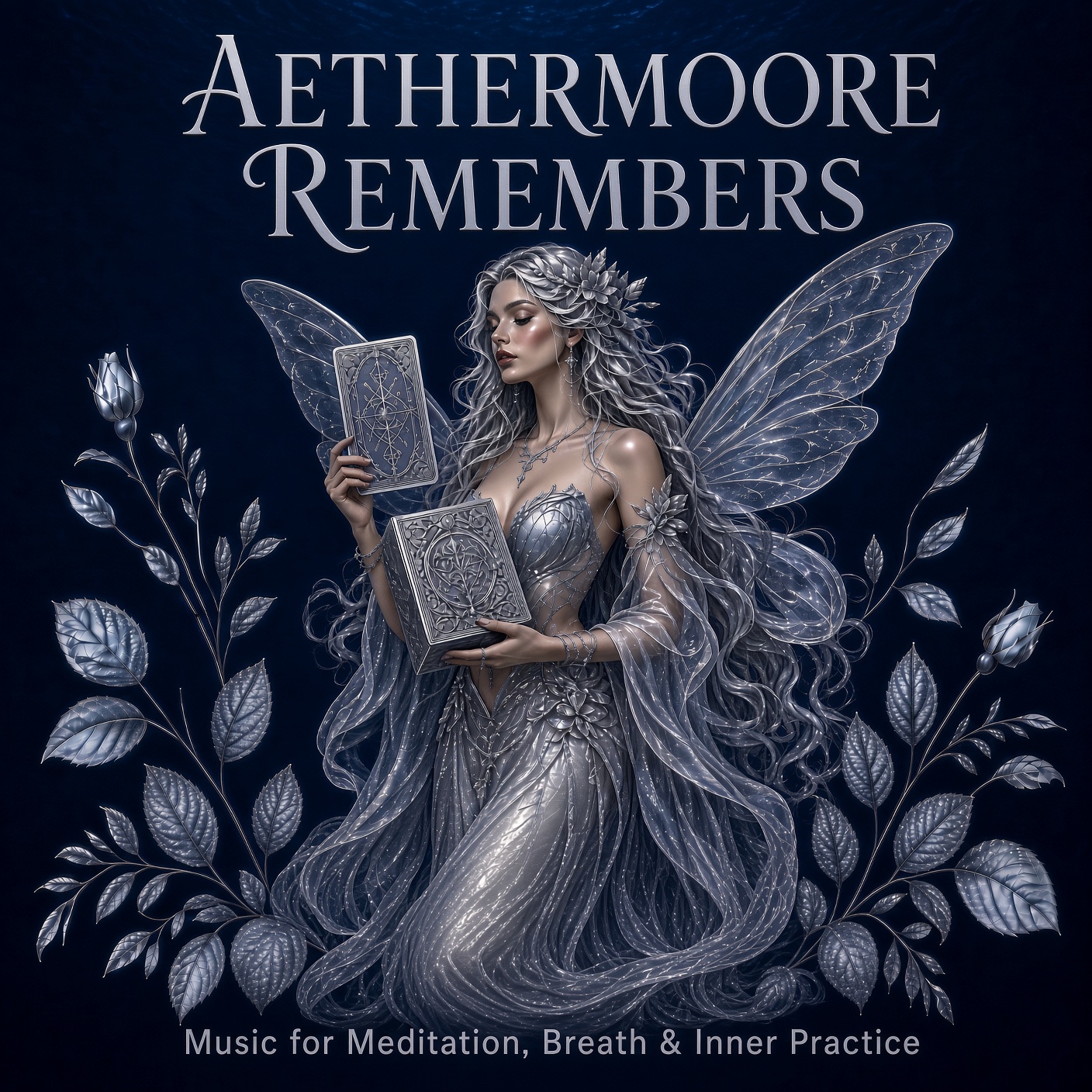
Each of the twenty-two Major Arcana will also have its own meditation and its own piece of music. Because some things make more sense when you hear them, sit with them, or feel them for a few minutes instead of trying to explain everything immediately.
Maybe that is one of the reasons tarot has stayed around for so long.
It does not always answer the question. Sometimes it shows you why you asked it.
Why return to tarot after sixteen years?
Because the cards changed when I did.
In this new essay, I write about returning to my own tarot, why I stepped back from esoteric practice for years, and why The Grand Tarot of Love became more than a guidebook. It is now also a journey through psychology, symbolism, intuition, relationship patterns, meditation and music.
Twenty-two Major Arcana. Twenty-two meditations.
One old conversation, reopened.